Rhythms of Colour: when painting dances by Ana Belén S. Ramírez
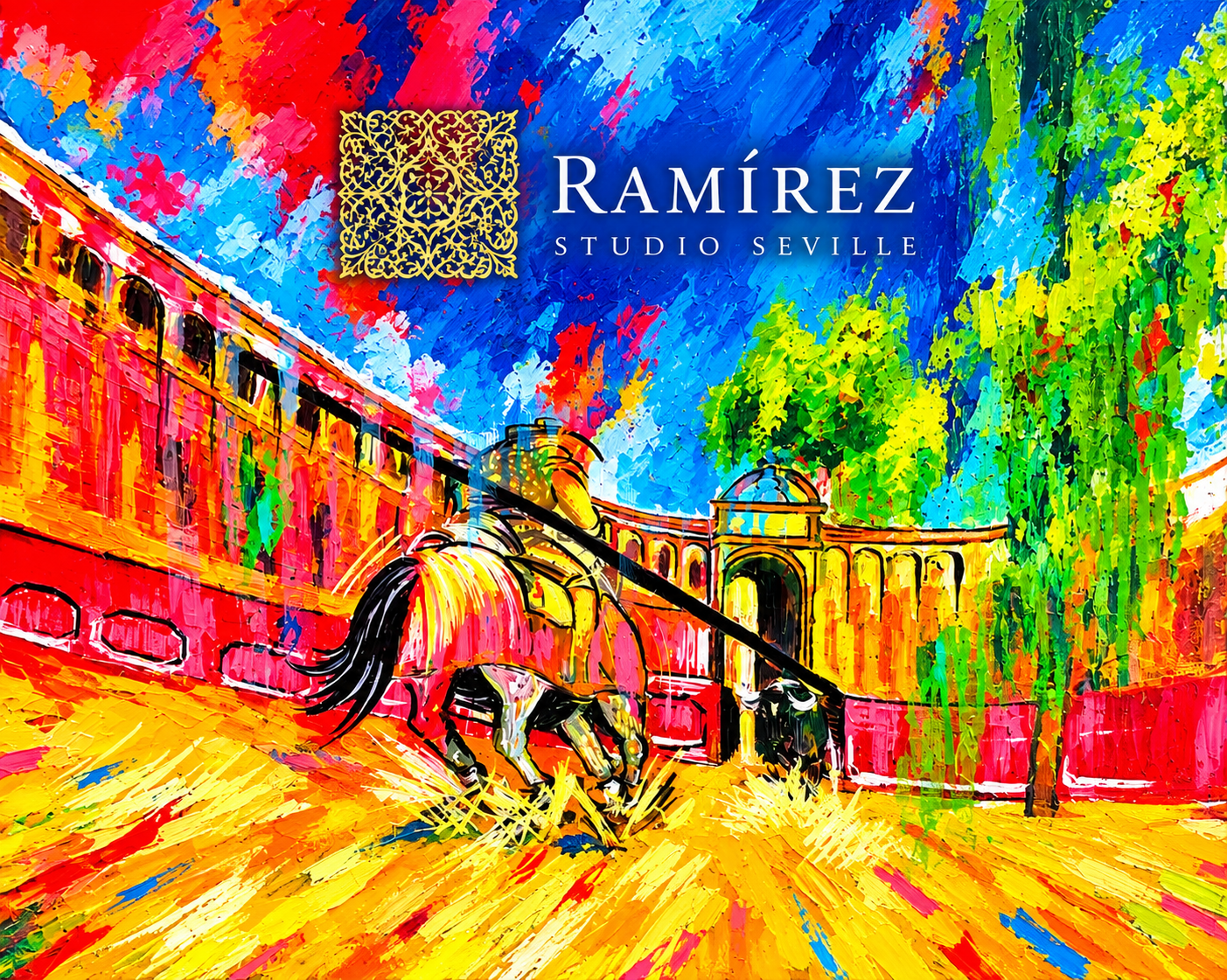
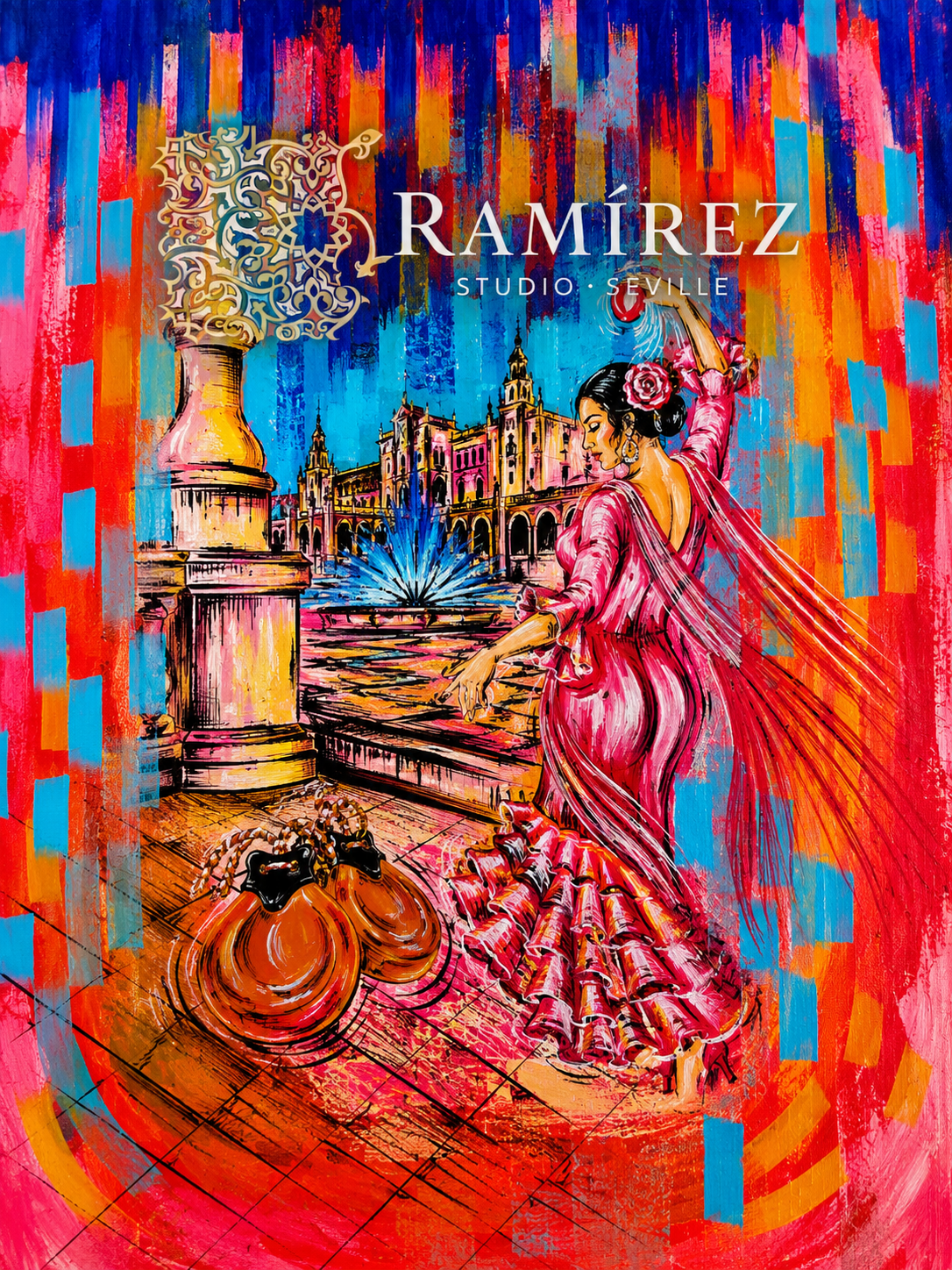
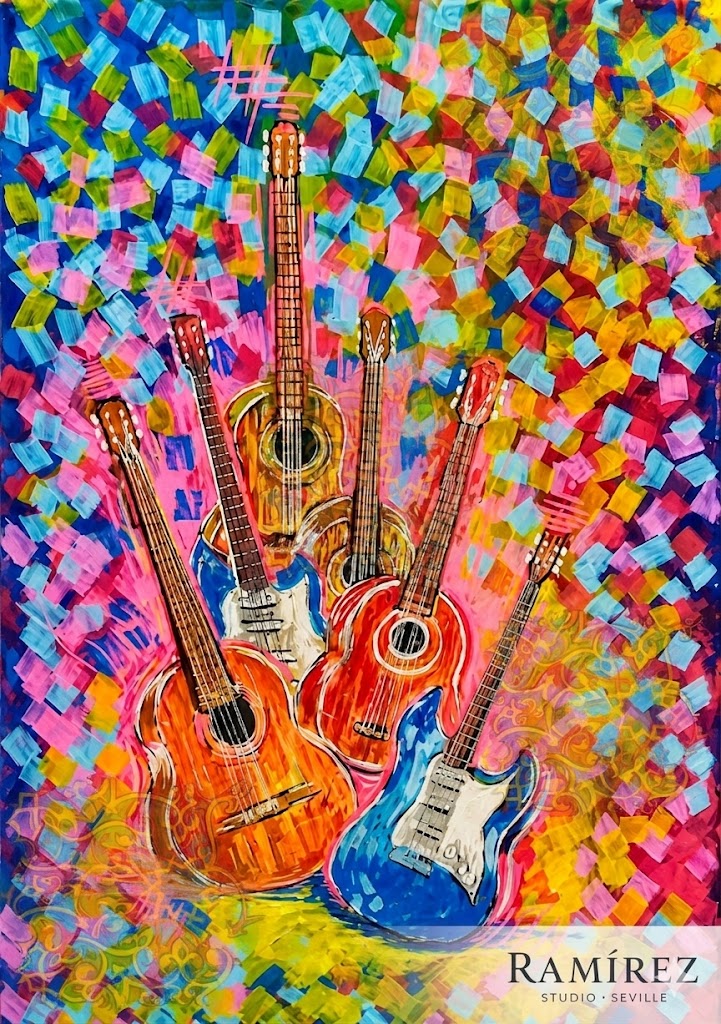
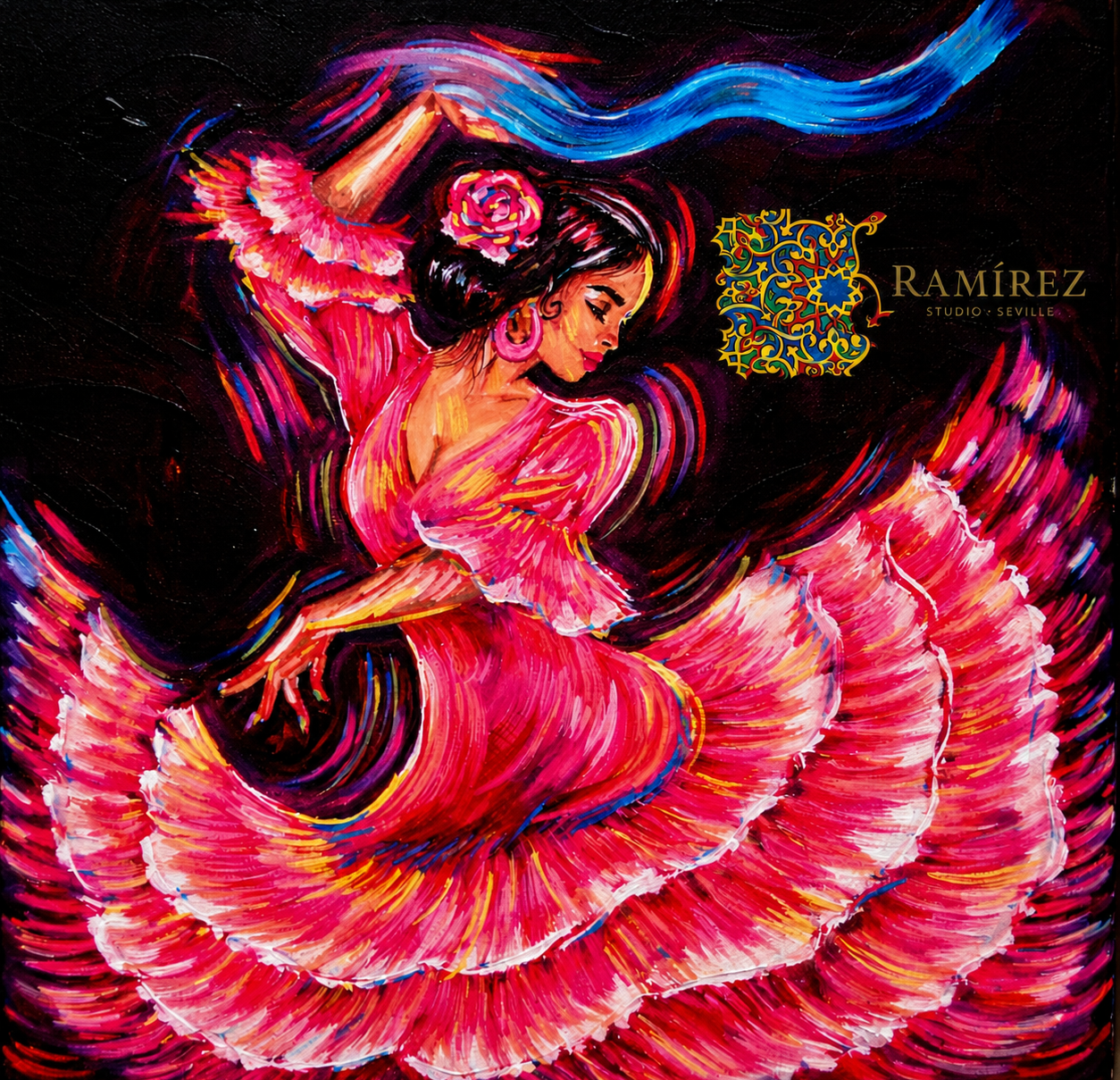
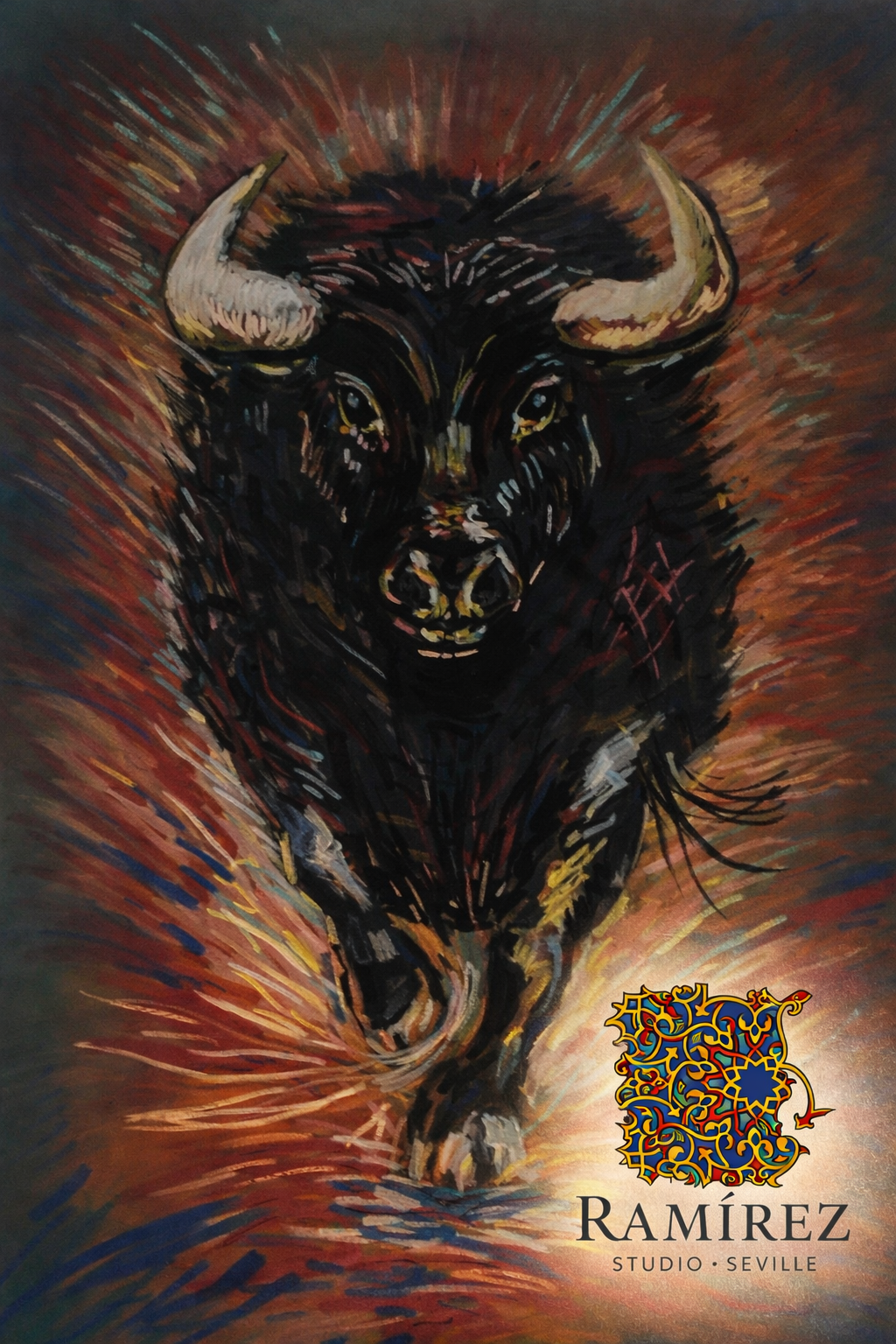
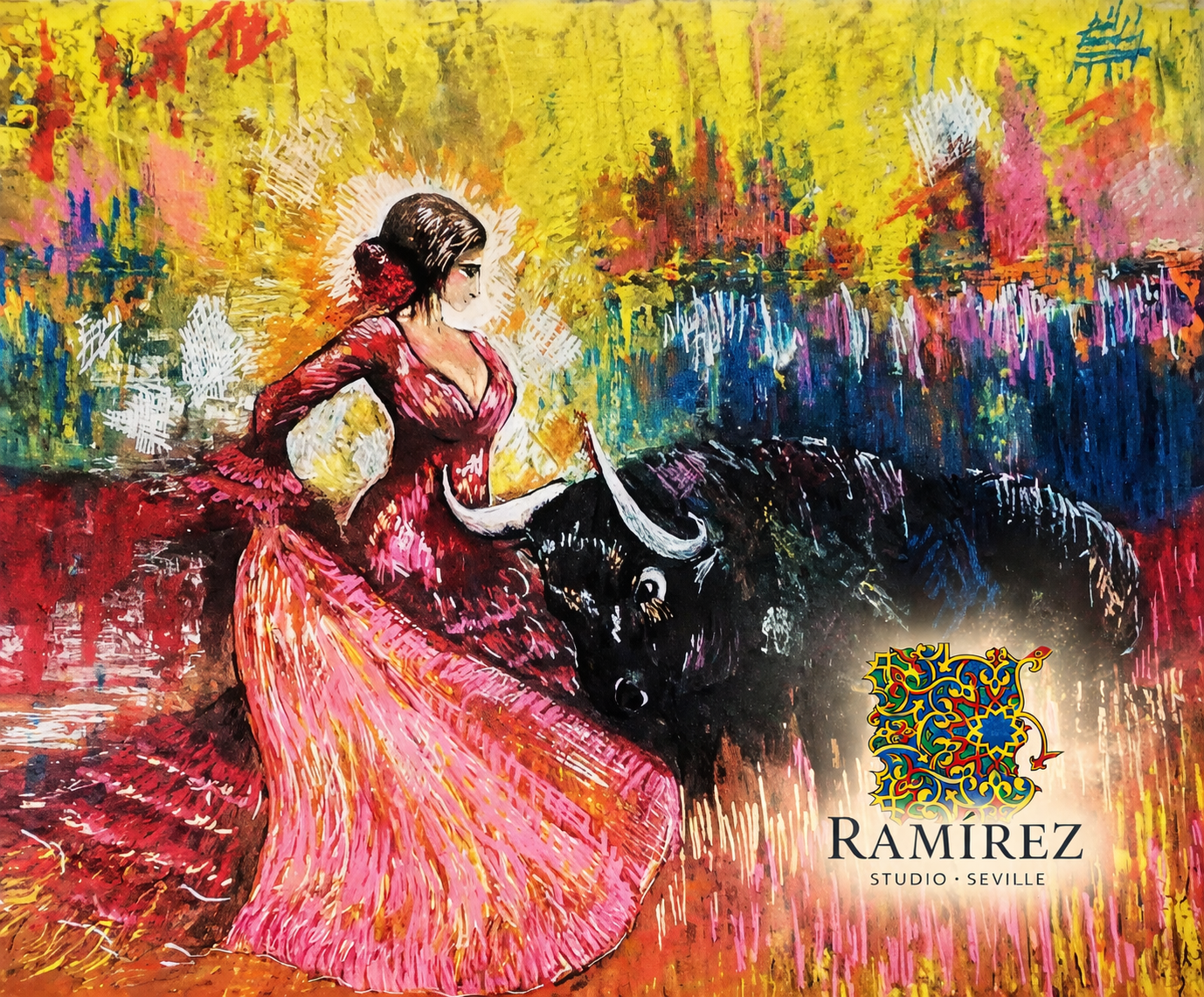
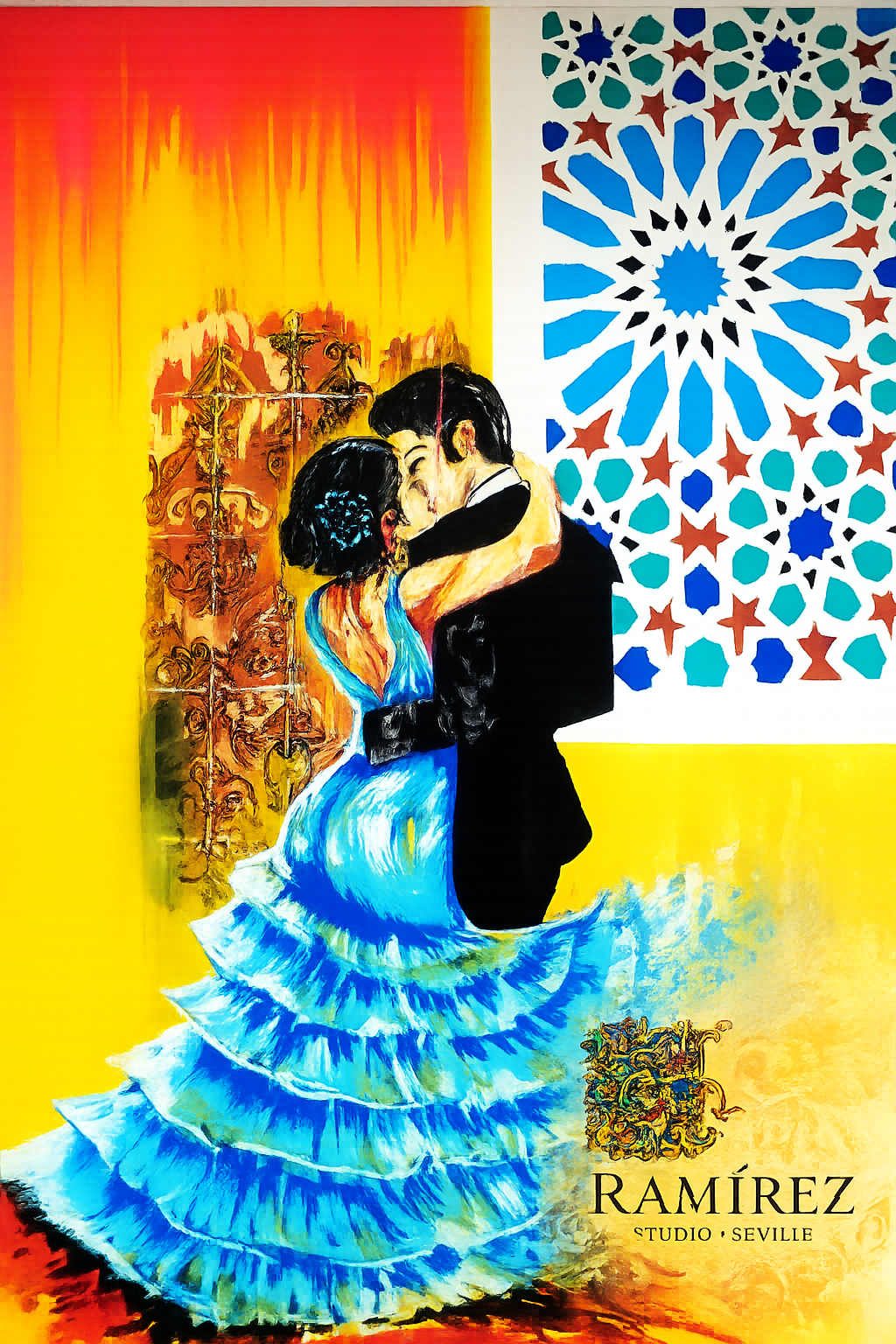
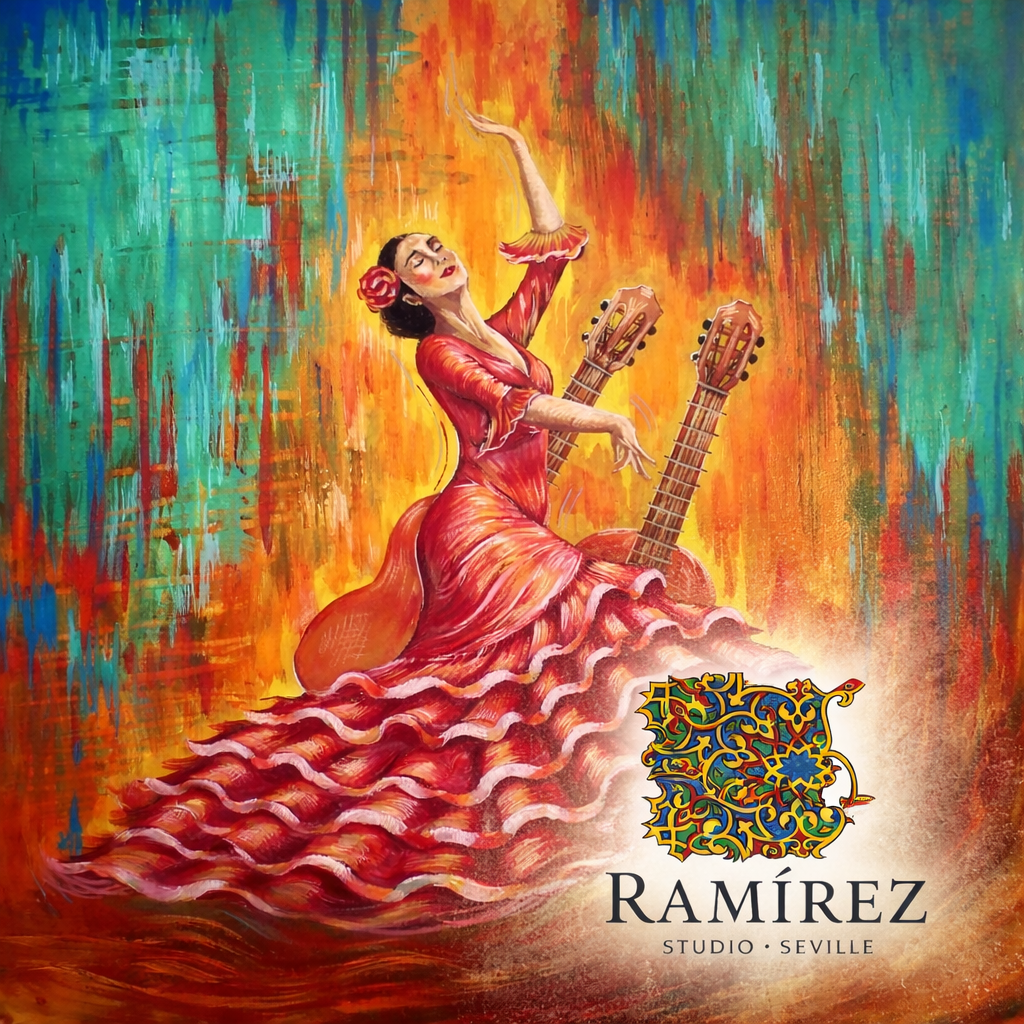
Ana Belén S. Ramírez is a Sevillian artist whose work is inspired by the visual and emotional culture of Andalusia. Her painting explores flamenco as a universal language of movement, passion, and expression. Her works investigate themes such as flamenco, the movement of the body in dance, and the symbolic strength of the bull, elements that are part of the cultural imaginary of southern Spain. These figures appear in compositions where painterly gesture and color take center stage, generating scenes charged with energy and dynamism. The artist pays special attention to movement. The dresses of the flamenco dancers unfold in layers reminiscent of musical waves, while free brushstrokes construct vibrant atmospheres in which the figure seems to emerge from color itself. In some works, the backgrounds incorporate geometric patterns inspired by Andalusian decorative tradition. These references establish a visual dialogue with the artistic heritage present in emblematic spaces such as the Royal Alcázar of Seville and the Alhambra of Granada, integrating history and contemporaneity within the same pictorial space. Her work combines Andalusian iconographic tradition with a contemporary approach close to expressionism, where color and texture gain prominence. Painting thus becomes a territory where gesture, cultural identity, and visual emotion meet. Through an intense chromatic palette and expressive brushwork, the artist seeks to capture the spirit of flamenco and the vital energy of the Andalusian cultural landscape. Flamenco dance thus ceases to be merely a theme and becomes the visual and narrative structure of the painting. In her works, cultural references such as Andalusian ornamentation, the popular aesthetics of flamenco, and a free painterly gesturality coexist, giving rise to a personal artistic language: Contemporary Andalusian Expressionism. Rhythms of Colour: When Painting Dances by Ana Belén S. Ramírez This series explores the relationship between movement, cultural identity, and emotion in southern Spain. Flamenco figures, symbolic elements, and an expressive use of color come together to create compositions in which painting conveys rhythm and energy. The figures emerge within dynamic scenes where color becomes the central element. Each work seeks to capture a moment of intensity, where painterly gesture reflects the power of dance, music, and the spirit of Andalusia’s cultural landscape.